
India has always been on the bucket list for many travelers from Australia.
The mix of history, food, landscapes, and culture is unlike anywhere else.
One trip can take you from royal palaces to quiet backwaters, from mountain towns to busy city markets.
It is exciting, but it can also feel overwhelming when you first start planning.
If you are researching your first trip to India from Australia, you are likely asking the same questions most travelers ask.
- Where should I go first?
- How many days do I need?
- Is it easy to plan on my own?
- And should I work with a travel agency in India?
This guide will help you understand the best places to visit and how to plan a realistic trip that feels enjoyable rather than chaotic.
Why Many Australians Are Choosing India for Their Next Trip
India offers a lot in one journey.
Flights from Australia connect well with major Indian cities like Delhi and Mumbai.
Once you arrive, you can explore historic landmarks, nature, beaches, and food scenes without needing to cross borders.
Another reason travelers choose India is the value for money.
Accommodation, transport, and guided experiences are often more affordable than in many long-haul destinations.
This makes it possible to have a richer experience without stretching your budget too far.
Most importantly, India feels different from typical holiday spots.
It is immersive. Every city has its own rhythm, and every region offers a new perspective.
For many travelers, that is exactly what makes the trip memorable.
How Long Should Your India Trip Be
Because the flight from Australia is long, most travelers plan at least ten days.
Two weeks is even better if you want to explore multiple regions without rushing.
A ten to fourteen-day trip allows you to cover:
- North India cultural circuit
- One relaxing destination, like Kerala or Goa
- Time to adjust to travel and weather
Trying to see everything in one visit rarely works. India is best experienced at a steady pace with enough time in each place.
Best Routes for First-Time Travelers From Australia
Instead of picking random destinations, it helps to think of routes. Some places connect well together and create a smoother journey.
1. The Classic Golden Triangle
This is the most popular starting point.
- Delhi
- Agra
- Jaipur
You begin in Delhi, travel to Agra to see the Taj Mahal, and continue to Jaipur for forts and palaces. This route is compact and gives a strong introduction to India’s history and culture.
Many travelers complete this in five to seven days and then move to another region.
2. Culture and Relaxation Route
After exploring the north, many visitors head south.
- Kerala
- Goa
Kerala offers calm backwaters, tea plantations, and wellness retreats. Goa adds beaches and relaxed coastal towns. This combination balances sightseeing with downtime.
3. Mountain and Nature Route
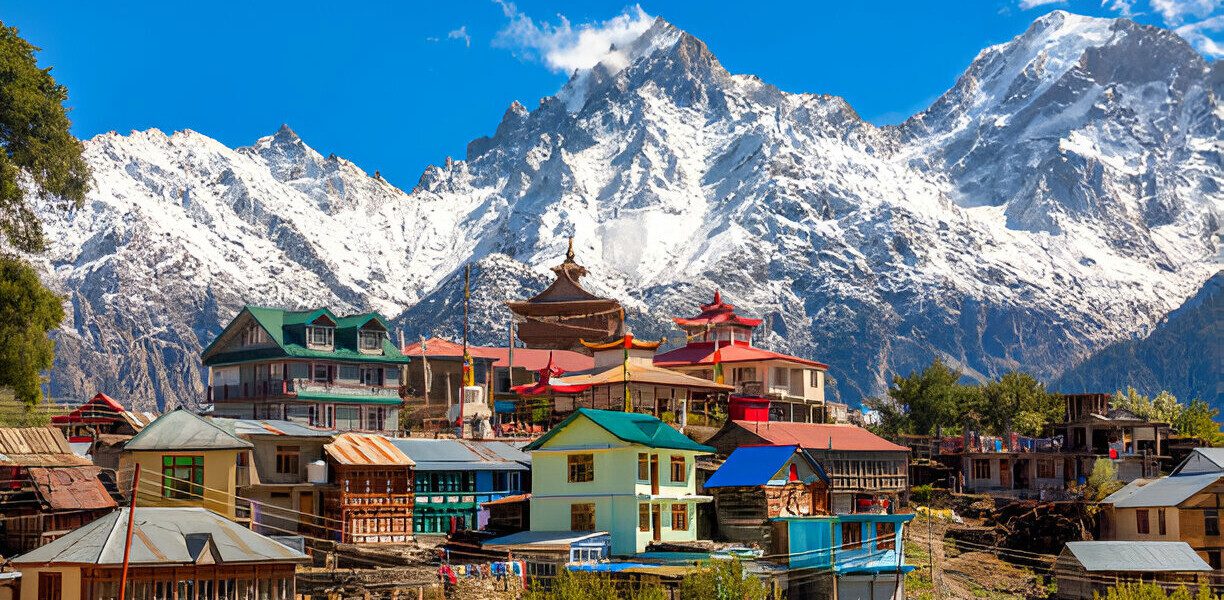
If you prefer cooler weather and scenery, go for the Himalayan route:
- Delhi
- Himachal Pradesh (Dharamshala or Manali)
- Nepal
This route focuses on mountain views, quiet towns, and outdoor activities. It works well during warmer months.
Best Places to Visit in India for Australian Travelers
India has hundreds of destinations, but not all of them work well for a first visit from Australia. Long travel times mean you want places that offer a strong experience without feeling exhausting.
The destinations below connect well, are easy to navigate, and offer a balanced introduction to the country.
1. Delhi
Most international trips begin in Delhi, and it works well as a starting point because it helps you adjust to India gradually. The city blends old and new in a way that gives you a quick understanding of the country’s contrasts.
You can spend two to three days visiting landmarks like India Gate, Humayun’s Tomb, and Qutub Minar.
Old Delhi offers street markets and food lanes that show a more traditional side of the city, while New Delhi has wider roads, cafes, and museums.
Starting in Delhi allows you to settle into the time zone, try local food, and get comfortable before moving to other destinations.
2. Agra
Agra is usually the next stop after Delhi because it is home to the Taj Mahal.
The journey from Delhi takes only a few hours, which makes it an easy addition to the route.
Most travelers stay one night, visit the Taj Mahal at sunrise, and explore Agra Fort before continuing to Jaipur or back to Delhi.
Agra works well as part of a larger route rather than a standalone destination. It adds one of India’s most iconic experiences without requiring extra travel days.
3. Jaipur
Jaipur introduces you to Rajasthan’s royal history.
The city is known for forts, palaces, and lively markets. Many travelers spend two to three days here exploring the Amber Fort, the City Palace, and local bazaars.
What makes Jaipur appealing to first-time visitors is that it feels more organized than larger cities. The pace is slightly calmer, and the architecture and culture feel distinct from Delhi and Agra.
Together, these three cities form what many call the Golden Triangle, which is often the easiest introduction to India.
4. Kerala
After busy cities, many travelers want somewhere quieter. Kerala offers that contrast. Located in the south, it is known for backwaters, greenery, and slower travel.
You can stay on a houseboat, visit tea plantations in Munnar, or relax near the coast in places like Varkala.
Kerala suits travelers who want downtime after exploring historical cities. 5-7 days here can balance the overall trip and help you recover from constant movement.
5. Goa
Goa is often added to itineraries for relaxation.
It has beaches, coastal towns, and a mix of Indian and Portuguese influences.
Some travelers visit for nightlife, while others choose quieter beach areas for rest.
If your trip already includes several cities, adding two or three days in Goa gives you time to slow down.
It is especially popular among travelers who want a beach break before returning home.
6. Varanasi
Varanasi is very different from other destinations. It is one of the oldest living cities in the world and has deep spiritual significance.
Travelers visit to see the evening ceremonies along the Ganges River and to experience a more traditional side of India.
This city can feel intense for some first-time visitors, so it is often added toward the end of a trip rather than the beginning.
If you are interested in culture and history beyond monuments and palaces, Varanasi offers a powerful experience.
When Is the Best Time to Visit India
Most travelers from Australia visit between October and March. The weather is cooler and easier for sightseeing across many regions.
If you want to visit the mountains, April to June works well. Southern destinations like Kerala are pleasant in the winter months.
Planning your route based on the season is important. India’s climate varies widely, and choosing the right time makes the trip more comfortable.
Sample Two-Week India Itinerary From Australia
Here is a simple structure many travelers follow:
- Days 1 to 3: Arrive in Delhi and explore the city
- Days 4 to 5: Travel to Agra and visit the Taj Mahal
- Days 6 to 8: Jaipur and nearby forts
- Days 9 to 14: Fly south to Kerala or Goa for relaxation
This balance of culture and downtime works well for first-time visitors.
Book Your India Tour
India gives travelers from Australia a rare mix of history, scenery, culture, and food within one country.
You can move from royal palaces to calm beaches, from mountain towns to spiritual cities, all in a single trip.
With thoughtful planning, the journey becomes far more comfortable and enjoyable.
The destinations you choose, the time of year you travel, and the way you structure your itinerary will shape your overall experience.
Many visitors prefer working with a trusted travel agency in India because local experts understand routes, travel times, and regional differences.
They can help you avoid common planning mistakes and make sure your days are well-balanced without feeling rushed.
If you are looking for personalized guidance, Authentic India Travel is a great place to start.
Their team focuses on curated itineraries, local insights, and end-to-end support for international travelers.
From helping you choose destinations to arranging stays and transport, they simplify the entire process so you can focus on enjoying the trip rather than managing logistics.
FAQs: Traveling to India From Australia
1. What is the best route for a first-time trip to India
A common first route is Delhi, Agra, and Jaipur, often called the Golden Triangle. After this, many travelers fly to Kerala or Goa for a few days of rest. This combination balances culture, history, and relaxation without too much travel time between cities.
2. Is India safe for Australian travelers?
India is generally safe for international travelers, especially in major tourist areas. Like any destination, it is important to stay aware of your surroundings, use reliable transport, and follow basic travel precautions. Booking trusted hotels and using verified drivers can make the experience smoother.
3. When is the best time to visit India from Australia
October to March is the most comfortable period for most regions. The weather is cooler and better for sightseeing. If you plan to visit the Himalayas, April to June works well. Southern destinations like Kerala are also pleasant during the winter months.
4. How do Australians get a visa for India
Australian citizens need a visa before traveling. Many visitors apply for an e visa online, which is a straightforward process. It is best to apply a few weeks before departure to avoid last-minute stress.