
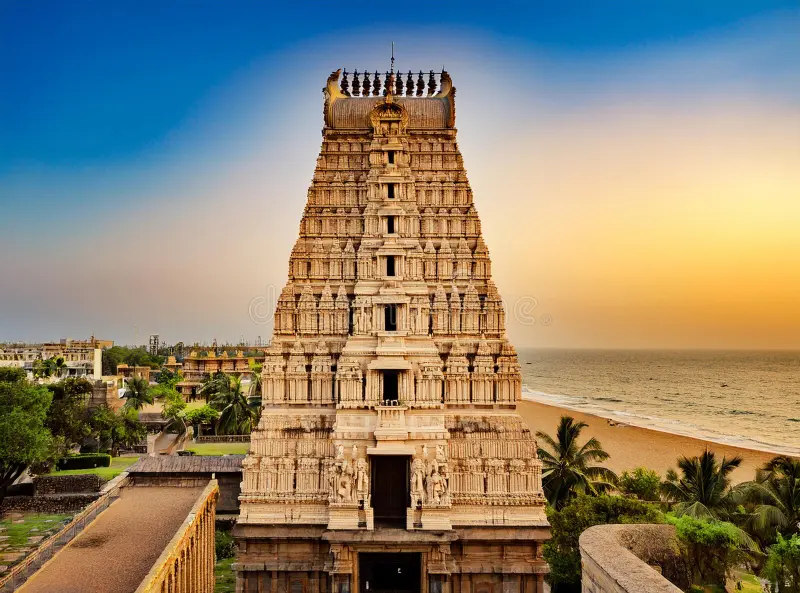
South India’s tourist spots, with over 30,000 ancient temples and vibrant landscapes, remain among the world’s best-kept secrets. This region offers unique experiences like spiritual temple tourism, peaceful backwaters, colonial heritage sites, wildlife sanctuaries, and Ayurvedic retreats. Here’s a closer look at what makes South India special:
Spiritual and Temple Tourism
- Highlights: Dravidian architecture, towering gopurams, ornate pillared halls, and sacred water tanks.
- Top Temples: Meenakshi Amman, Brihadeeswarar, Sri Ranganathaswamy, Rameshwaram, Tirupati Venkateswara.
- Cultural Relevance: Centers for community gatherings, education, arts, and economic activities.
- Best Time to Visit: October to March.
Backwater and Houseboat Experiences
- Highlights: 900 km of waterways, traditional kettuvallams (houseboats), and below sea-level farming.
- Top Destinations: Alleppey, Kumarakom, Kollam, Kuttanad, Munroe Island.
- Cultural Relevance: Showcases traditional fishing, coir-making, local cuisine, and boat races.
- Best Time to Visit: October to March.
Colonial Heritage and Architecture
- Highlights: Indo-Saracenic style combining European and Indian designs
Spiritual and Temple Tourism
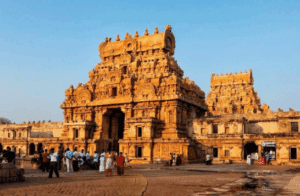
Image Source: CNN
South India’s temples stand as living monuments that showcase centuries of devotion, artistic brilliance, and amazing breakthroughs. Tamil Nadu, Kerala, Karnataka, and Andhra Pradesh have sacred structures that offer more than religious experiences. These temples provide glimpses into the region’s rich array of culture that has grown over thousands of years.
What Makes Temple Tourism Special
Temple experiences in South India are different from many other religious tourism spots around the world. Hindu temples serve as bridges between divine and human realms where people participate in personal spiritual journeys these structures aren’t just places of worship. They are literal homes for deities where sacred images (murtis) get treated as living beings with daily routines – waking, eating, meeting visitors, and resting.
South Indian temples’ architecture shows distinct Dravidian styles with these features:
- Towering gopurams (elaborate entrance gates) that grew taller over centuries
- Pyramidal vimanas (towers) above the main sanctuary
- Ornate pillared halls with thousands of detailed carved columns
- Central towers that represent Mount Meru, the axis of the universe
Most temples have adjacent water tanks for ritual cleansing that connect to the tradition of building sacred sites near holy waters. This architectural magnificence made temples the center of India’s most exceptional visual arts throughout history.
Top Places for Temple Tourism in South India
Thousands of temples dot South India’s landscape, but several stand out as extraordinary monuments to faith and artistic achievement:
- Meenakshi Amman Temple, Madurai: This massive 14-acre complex has 4,500 pillars and 14 towers, showing the peak of Dravidian architecture. The temple buzzes with activity as marriage ceremonies happen in its corridors and traditional sunset rituals fill the air with chants and drums. Its Hall of Thousand Pillars displays life-like sculptures that show remarkable engineering skills.
- Brihadeeswarar Temple, Thanjavur: This UNESCO World Heritage Site celebrated its 1,000th anniversary recently. Raja Raja I, the Chola king, built it in the 11th century. The temple has one of India’s tallest towers and beautiful sculptures.
- Sri Ranganathaswamy Temple, Srirangam: Lord Ranganatha’s temple (a reclining form of Vishnu) ranks among the largest working Hindu temples in the world. It spreads across 156 acres with 21 gopurams and dates back about 2,000 years to the early Chola period.
- Rameshwaram Temple: India’s longest pillared hallway makes this temple special. It has endless rows of carved pillars with painted ceilings. Pilgrims bathe in the sea just 100 meters away before purifying themselves in its 22 holy wells.
- Tirupati Venkateswara Temple: This Andhra Pradesh temple ranks among India’s most visited and wealthiest. Millions of devotees visit yearly to experience unique practices like the Suprabhatam morning song ritual that “wakes” the deity.
Cultural Relevance of Temple Tourism
South Indian temples do much more than serve religious functions. These structures have worked as:
- Places for social gatherings and community bonding
- Learning centers like universities, teaching Vedas, philosophy, and other subjects
- Spaces for artistic performances, especially during festivals
- Economic centers that owned farmland and created jobs
- Guardians of cultural heritage through architectural preservation
The temples host amazing festivals that draw huge crowds. Tirupati’s Brahmamotsavam and Meenakshi Temple’s Chithirai festival show the region’s cultural richness through grand celebrations. The Natyanjali Dance Festival at Chidambaram promotes classical dance with performances under the temple’s golden roof, bringing audiences worldwide.
Travelers get multi-layered experiences at these temples. They find spiritual fulfillment and enjoy prasada (blessed food offerings) and meals at temple canteens. South Indian temples help diaspora communities worldwide keep their cultural connections and ethnic identity alive.
Best Time to Experience Temple Tourism
These temples welcome visitors all year, but some periods offer better experiences:
Winter (October to March) brings comfortable weather to explore temple complexes without South India’s heat and humidity. Festival times create unique chances to see temples alive with celebrations and traditional performances.
Notable festival periods include:
- Madurai’s 12-day Chithirai Festival in April shows a celestial wedding ceremony between the temple’s main deities
- Tirupati’s Brahmamotsavam ranks among the region’s grandest temple celebrations
- Chidambaram’s five-day Natyanjali Dance Festival celebrates classical dance forms under the golden roof
- Full moon pilgrimages at Tiruvannamalai let devotees walk around the holy Mount Arunachala
These festive times show South Indian temples at their most vibrant. Music fills the air, ritual performances happen everywhere, colorful decorations brighten the spaces, and countless devotees take part in age-old traditions.
Backwater and Houseboat Experiences
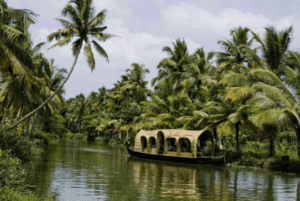
Image Source: TripSavvy
The backwaters of Kerala create a unique network that gives travelers an unmatched experience in South India. These interconnected waterways stretch along the Malabar coast. They create a living ecosystem where land, water, and human life naturally come together. The tranquil waters provide the perfect escape for anyone looking to step away from today’s fast-paced life.
What Makes Backwater Travel Special
Kerala’s backwaters make up a vast network of about 900 kilometers of canals, rivers, lakes, and lagoons that run parallel to the Arabian Sea. This special ecosystem creates an interesting mix of river freshwater and sea saltwater. The environment helps both plants and animals thrive.
The backwater experience becomes special as you watch daily life unfold along these waterways. You’ll see:
- Children in narrow canoes heading to school
- Local women washing pots by the canal
- Fishermen casting their nets in shallow waters
- Farmers working in paddy fields below sea level
These waterways serve as vital lifelines for local communities, not just tourist spots. People use them to travel, fish, farm, and trade. The backwaters help many people earn their living through agriculture, fishing, inland navigation, coir rope making, and lime shell collection.
A trip through these waters feels like stepping into another world. You get to see rural life that hasn’t changed much over generations.
Top Places for Backwater Travel in South India
Kerala has many backwater destinations, but some places stand out for their beauty and experiences:
Alleppey (Alappuzha): People call it the “Venice of the East.” This hub of houseboat tourism features wide and narrow canals dotted with villages and paddy fields. About 700 houseboats operate here, making it the most developed backwater spot.
Kumarakom: This place sits on Lake Vembanad’s shores – India’s longest lake and Kerala’s largest. The Kumarakom Bird Sanctuary attracts bird lovers who can spot cormorants, herons, kingfishers, and various other species. The wider waterways here feel different from Alleppey’s narrow canals.
Kollam: This less crowded destination grows more popular each year. Its historical importance as one of Kerala’s oldest trading ports makes it special. The backwaters around Ashtamudi Lake spread like a palm’s fingers, creating perfect spots for sunset cruises.
Kuttanad: This amazing region lies below sea level and people call it Kerala’s “Rice Bowl”. Farmers here work 1.2 to 3.0 meters below sea level – one of few such places worldwide. The Food and Agriculture Organization recognizes Kuttanad’s farming system as globally important heritage.
Munroe Island: This hidden treasure sits where Kallada River meets Ashtamudi Lake. The cluster of small islets offers canoe rides through coconut-lined canals. Visitors can watch migratory birds and see traditional village life up close.
Cultural Relevance of Backwater Travel
The kettuvallam (traditional houseboat) shows off Kerala’s backwater heritage. These boats once carried rice and spices through the waterways for centuries before becoming tourist accommodations.
Modern kettuvallams keep their wooden exteriors and thatched roofs while adding modern comforts. They now include air conditioning, updated bathrooms, and dining spaces.
The backwaters shape local culture in many ways:
- Culinary traditions: The area’s famous for fresh seafood and local dishes like karimeen pollichathu (spiced pearl spot fish in banana leaf).
- Traditional crafts: People still make coir from coconut fiber and farm prawns along the waterways.
- Festivals: The region hosts famous boat races. The Nehru Trophy Boat Race happens on Punnamada Lake in August, while the Aranmula Boat Race takes place during Onam festival.
Visitors can dive into local culture by visiting toddy shops for fresh palm wine, watching shell harvesters work, and talking with locals doing traditional jobs.
Best Time to Experience Backwater Travel
The best time to visit Kerala’s backwaters runs from October through March. The weather stays pleasant with temperatures between 20°C and 32°C and little rain. These months let you spend more time on deck enjoying the views without extreme heat or monsoon rains.
Here’s what to expect in different seasons:
- Winter (October-February): Most popular time with cool, nice weather. Prices go up from December to mid-January during peak season.
- Summer (March-May): Gets hot and humid but waters stay clear. Air-conditioned houseboats help during these months.
- Monsoon (June-September): Heavy rains turn everything bright green. Great for photos but boat rides might get tricky.
You might want to plan your visit around boat races for extra excitement. The race season starts with Champakkulam Moolam Boat Race in June/July. The famous Nehru Trophy boat race follows on August’s second Saturday.
A typical houseboat stay lasts 21 hours. You check in at noon and leave between 9 and 10 the next morning. Most boats cruise for 3-5 hours before stopping at a lake or small island for the night. You can then enjoy the peaceful backwaters under the stars.
Colonial Heritage and Architecture
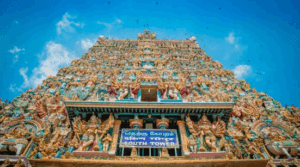
Image Source: Alpine Ascents
South India’s colonial architecture stands as evidence of centuries of European influence. It creates a unique architectural canvas where East meets West. Portuguese settlements in Kerala, French quarters in Puducherry, and British influence throughout the region offer amazing glimpses into a past that altered South India’s architectural map.
What Makes Colonial Heritage Special
South Indian colonial architecture is different from other historical structures in the region through its distinct Indo-Saracenic style (also known as Indo-Gothic or Neo-Mughal). British architects created this architectural marvel by drawing stylistic elements from native Indo-Islamic architecture, especially Mughal designs, which they saw as the quintessential Indian style. These structures showcase:
- Simple layouts that mirror contemporary European styles (Gothic Revival, Neo-Classical)
- Distinctively Indian decorative elements and ornamentation
- Large-scale grandeur that reflects imperial ambitions
The architectural blend wasn’t just about looks—it showed a complex cultural exchange. Indian architects in places like Lucknow started adding European style elements onto Indo-Islamic designs even before complete British control in 1856. This mixing of design principles led to buildings of exceptional beauty and historical value.
Top Places for Colonial Heritage in South India
South India has several destinations that showcase exceptional colonial architectural heritage:
Chennai (formerly Madras) houses some of the region’s finest examples of colonial architecture. The magnificent Madras High Court shows Indo-Saracenic architecture with its detailed designs and grand structures. Victoria Public Hall stands nearby with its neoclassical style, elegant arches, columns, and ornate details. Chennai Central Railway Station draws railway buffs with its majestic clock tower, detailed carvings, and grand arches that show British influence.
Puducherry (formerly Pondicherry) brings a unique French colonial experience. The Raj Niwas, which used to be the French Governor’s home, shows off beautiful colonnades with arched windows and wrought iron railings. Studies show that Puducherry’s French heritage has become a big draw for India’s urban middle-class tourists.
Bangalore features the stunning Bangalore Palace built in Tudor style. Its expansive grounds and ornate interiors show colonial-era grandeur while mixing British influences with local designs.
Kerala’s colonial heritage comes alive in structures like the Santa Cruz Basilica in Kochi. This beautiful church mixes Portuguese influence with local Kerala styles and features stunning frescoes and detailed woodwork. Hill Palace, the former Cochin royal family’s home, also combines European and Kerala architectural elements.
Tamil Nadu has eight colonial heritage sites that showcase the region’s cultural richness and distinctive colonial architectural styles.
Cultural Relevance of Colonial Heritage
Colonial architecture’s effects go way beyond looks and have shaped South Indian culture deeply. These architectural changes started as early as the 13th century. They brought back existing cultural elements while adding modern touches.
Local kingdoms and colonial powers shared relationships that shaped architectural growth. The British kept close ties with the Gaekwads and Scindias. Their connection with Travancore royals followed different patterns—each relationship shaped palace designs and space layouts.
Palace architecture mirrored social structures. Most princely states followed patriarchal systems, but Travancore kept a matrilineal system, which changed how spaces were arranged. Royal palaces did more than house families—they handled administration, governance, religious activities, and ceremonies.
Today’s travelers find colonial heritage gives them a unique look at how European influences changed South Indian landscapes. Studies of Puducherry tourism show that colonial heritage catches domestic visitors’ interest in ways that go beyond simple tourist-local relationships.
Best Time to Experience Colonial Heritage
The winter months from October to March give you the best conditions to explore colonial architecture in South India. You can take long walks through historic districts without summer heat or monsoon rains getting in your way.
Heritage walks in Chennai, Puducherry, and Kochi let you explore colonial quarters with expert historians. These guides explain architectural features and historical background. Most tours happen in the morning when sunlight shows off architectural details best.
Unlike temple visits or backwater trips that depend on seasons, you can visit colonial heritage sites any time of year. The winter months work best because clear skies help you take better photos of striking facades and architectural details.
Photographers who want to capture colonial architecture should shoot during early morning or late afternoon. The soft light at these times emphasizes architectural details without the harsh midday glare on building surfaces.
Wildlife and Eco-Tourism
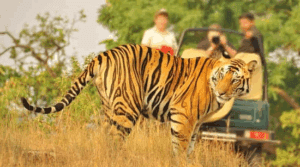
Image Source: Breathedreamgo
The magnificent Western and Eastern Ghats of South India are home to an incredible variety of wildlife. These mountain ranges create a natural haven that rivals the world’s best safari destinations. The region’s sanctuaries and national parks remain hidden gems, untouched by mass tourism.
What Makes Wildlife Tourism Special
South India’s wildlife tourism shines because of its remarkable biodiversity hotspots. The land features everything from thick forests to sprawling grasslands and coastal plains. This rich variety of ecosystems supports an amazing collection of plants and animals, which has led to the creation of many wildlife sanctuaries focused on conservation.
South India’s wildlife experiences go beyond tigers and elephants to include:
- Diverse cat species: The region’s habitat supports smaller cats better than North India does. Places like Parambikulam and Kabini almost guarantee leopard sightings.
- Unique safari experiences: The Periyar National Park stands out by offering boat safaris where guests watch wildlife from the water, unlike traditional jeep safaris.
- Night safaris: Some wildlife sanctuaries let visitors see nocturnal animals in their natural setting under careful supervision.
- Rich birdlife: The thick vegetation houses countless bird species. Bird watchers come here to spot rare finds like the Wayanad Laughing Thrush, which lives only in the Western Ghats.
Top Places for Wildlife Tourism in South India
Several wildlife sanctuaries stand out among South India’s many natural treasures:
Periyar National Park (Kerala): The park’s majestic elephants and boat rides on Periyar Lake give visitors a special way to see wildlife. Tigers, sambar deer, various birds thrive in this lush environment.
Bandipur National Park (Karnataka): This former hunting ground of Mysore’s Maharaja has become one of India’s finest tiger reserves. The park’s dry deciduous forests house elephants, wild boar, hornbills, spotted deer, pythons, and sloth bears.
Nagarhole National Park (Karnataka): Also called Rajiv Gandhi National Park, it has Asia’s highest concentration of herbivores. The beautiful Kabini River flows through the park and attracts more than 250 bird species.
Mudumalai National Park (Tamil Nadu): This Nilgiri Hills gem was among India’s first National Parks. Now a Tiger Reserve, it houses about 50 tigers along with leopards, elephants, giant squirrels, barking deer, and various birds.
Wayanad Wildlife Sanctuary (Kerala): Kerala’s second-largest wildlife sanctuary boasts many elephants, Indian Bison, Tigers, Nilgiri langur, and bonnet macaque.
Cultural Relevance of Wildlife Tourism
South India’s wildlife conservation has deep cultural roots that go beyond protecting nature. Sacred groves protected by Hindu and Muslim communities serve as biodiversity havens throughout the region.
These sacred forests show how faith supports conservation:
Kodagu in Karnataka has 1,214 sacred groves that house more than 165 different deities. Studies show these groves have much more biodiversity—144 tree species compared to 91 in nearby rural forests. Local people guard these groves with the belief that “if they protect the grove, the deity will protect them”.
Urban sacred groves like Deorali and Enchey in Sikkim store twice as much carbon as naturally growing forests over 35 years. These groves also keep water sources healthy, with groundwater staying stable even during summer heat waves.
Best Time to Experience Wildlife Tourism
Winter months (October to February/March) offer the best conditions to see wildlife in South India. Animals are easier to spot during this time because the weather is pleasant and plants are less dense.
Year-round guidelines:
- October to May: The most comfortable time with dry conditions
- March to May: Best time to see elephants in Periyar National Park and Bandipur as they gather near water sources
- Monsoon season (July to mid-October): Most parks close because roads become unusable
Mid-October brings taller vegetation after the monsoons, which makes wildlife harder to spot despite beautiful scenery. April and May might show more animals but come with intense heat.
Photographers will love the post-monsoon period when everything turns bright green. This creates perfect conditions for dramatic wilderness shots, even though animals might be harder to find.
Ayurveda and Wellness Retreats
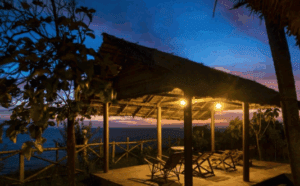
Image Source: Ayurooms
South India keeps ancient healing traditions alive through Ayurveda—a 3,000-year-old medical system that gives visitors unique wellness experiences. The region’s cultural heritage embraces Ayurvedic practices, drawing people who seek genuine healing in peaceful natural surroundings.
What Makes Ayurveda Special
Sanskrit gives us the term Ayurveda, which means “knowledge of life”. This all-encompassing approach balances mind, body, spirit, and environment. Prevention matters more than cure here.
Ayurveda builds on three doshas (life forces)—vata, pitta, and kapha. These come from different combinations of five elements: sky, water, earth, fire, and air. Dr. Gaurang Paneri says, “Every person has the three doshas in varying strength and magnitude. The predominant dosha determines their prakriti”.
Ayurvedic treatments include:
- Herbal medicines and medicated oils
- Customized diet plans based on individual constitution
- Therapeutic massages and cleansing procedures
- Meditation and breath exercises
Panchakarma, the signature therapy of Ayurveda, has detoxifying procedures that eliminate why diseases happen, refresh the body, and promote longevity.
Top Places for Ayurveda in South India
Kerala leads as the heart of Ayurveda in South India. The state has more than 100 government-run Ayurvedic hospitals, 800 pharmaceutical factories, and 800 medicine dispensaries.
Somatheeram Ayurvedic Health Resort in Kerala earned the “Best Ayurvedic Center” award ten times. Their team of specialists at Malabar beach has treated Western diseases for over 30 years with a 98% patient satisfaction rate.
Arya Vaidya Sala in Kottakkal provides comprehensive Panchakarma therapies and targeted walk-in treatments. This century-old charitable institution maintains a peaceful environment with expert practitioners.
Niraamaya Retreats Surya Samudra combines luxury Ayurvedic treatments with upscale spa experiences and customized healing programs.
Cultural Relevance of Ayurveda
Kerala’s daily life exceeds medical practice through Ayurveda. People practice “Dinacharya”—traditional morning routines that include oil pulling, tongue scraping, and yoga.
The state’s warm climate, abundant rainfall, and fertile soil create perfect conditions for medicinal plants, deepening their commitment to Ayurvedic traditions. Kerala’s tourism authorities started promoting it as a wellness destination in 1994, before wellness tourism became popular.
Travelers get more than treatments from Ayurveda. They learn about local culture through traditional cuisine, wellness practices, and festivals that enhance their healing experience.
Best Time to Experience Ayurveda
Monsoon season (June to September) offers the best conditions for Ayurvedic treatments, especially Panchakarma. Ancient texts support this timing with scientific reasons.
High humidity helps skin pores open faster during monsoon, which improves how well the body absorbs Ayurvedic oils. The body naturally sweats more, which increases toxin release.
Monsoon season doesn’t mean endless rain. Most rainfall happens at night with brief, intense daytime showers followed by sunshine. The cooler climate cleans the air and removes dust, creating perfect conditions to focus on inner balance.
Rheumatic disorders, arthritic conditions, and skin diseases respond best to monsoon treatments.
Comparison Table
| Aspect | Key Features | Notable Locations | Best Time to Visit | Cultural Significance | Unique Experiences |
| Spiritual and Temple Tourism | – Dravidian architecture with soaring gopurams- Ornate pillared halls- Sacred water tanks- Daily rituals and ceremonies | – Meenakshi Amman Temple, Madurai- Brihadeeswarar Temple, Thanjavur- Sri Ranganathaswamy Temple, Srirangam- Rameshwaram Temple- Tirupati Venkateswara Temple | December through February (Winter months) | – Community gathering centers- Educational institutions- Artistic performance venues- Economic powerhouses- Cultural heritage treasures | – Traditional festivals- Prasada offerings- Temple meals- Classical dance performances- Religious ceremonies |
| Backwater and Houseboat Experiences | – 900km network of waterways- Fresh and saltwater blend- Traditional kettuvallams (houseboats)- Below sea-level farming | – Alleppey (Alappuzha)- Kumarakom- Kollam- Kuttanad- Munroe Island | October to March (Winter season) | – Traditional fishing methods- Coir-making craft- Local cuisine- Traditional boat races | – 21-hour houseboat stays- Local village life experiences- Fresh seafood dining- Sunset cruises |
| Colonial Heritage and Architecture | – Indo-Saracenic style- European and Indian design fusion- Grand scale structures- Ornate decorations | – Chennai- Puducherry- Bangalore- Kerala’s colonial sites- Tamil Nadu heritage sites | November through February (Winter months) | – Shows colonial-local dynamics- Shaped city layouts- Influenced administrative systems- Changed social structures | – Heritage walks- Architectural photography- Historical tours- Cultural immersion |
| Wildlife and Eco-Tourism | – Rich ecosystems- Safari adventures- Night safaris- Abundant biodiversity | – Periyar National Park- Bandipur National Park- Nagarhole National Park- Mudumalai National Park- Wayanad Wildlife Sanctuary | October to May (Dry season) | – Sacred grove traditions- Community conservation efforts- Religious forest protection- Ancient ecological wisdom | – Boat safaris- Wildlife photography- Bird watching- Elephant viewing |
| Ayurveda and Wellness Retreats | – Traditional healing system- Three doshas concept- Tailored treatments- Panchakarma therapy | – Somatheeram Ayurvedic Health Resort- Arya Vaidya Sala- Niraamaya Retreats | June to September (Monsoon season) | – Essential daily practices- Traditional morning routines- Local herb usage- Ancient wellness customs | – Tailored healing programs- Traditional treatments- Wellness cuisine- Cultural immersion |
Conclusion
South India shows its rich cultural heritage and natural beauty with experiences not yet explored by mainstream tourists. This piece highlights five unique aspects that make this region special. Ancient temples showcase architectural wonders and living traditions that have lasted thousands of years. The peaceful backwaters of Kerala give you a glimpse of rural life that moves at its own relaxed pace. You can best experience this on a traditional kettuvallam houseboat.
South India’s charm comes from how these experiences work together perfectly. Your day might start at a temple, continue with elephant spotting at a wildlife sanctuary, and end with a soothing Ayurvedic massage. The region rewards you when you step away from North India’s familiar tourist spots.
Looking at these remarkable experiences, choosing how to fit everything into your schedule becomes the biggest challenge, rather than deciding whether to visit. South India goes beyond just showing you places—it gives you deep, meaningful encounters with one of the world’s oldest and most vibrant cultures.