
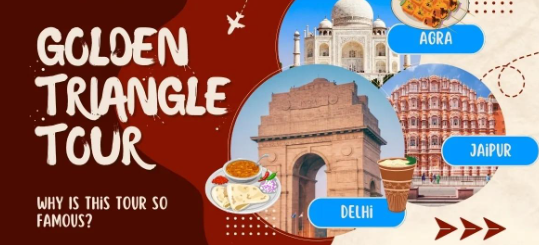
North India spans almost 1.5 million km² and offers UK travelers a mixture of exceptional experiences. The iconic Taj Mahal in Agra stands as India’s most popular tourist attraction, while Ranthambore National Park amazes visitors with its daytime tigers. The region’s remarkable diversity continues to engage travelers from across the globe.
UK travelers should plan their Indian adventure between October and March. The warm, dry and sunny weather during these months creates ideal conditions to explore. Our team at Authentic India Travel can help you find these treasures through custom packages designed for UK visitors.
Delhi
Delhi beats as the vibrant heart of North India, where centuries of history blend with modern life. This capital city gives travelers the perfect base to start exploring North India’s best destinations. People have lived here continuously for nearly 5000 years, which makes Delhi India’s most historic city and a fascinating mix of cultures.
Top attractions in Delhi
- The Red Fort, a UNESCO World Heritage Site built by Shah Jahan, features striking red sandstone walls and hosts the annual Independence Day address.
- The grand Jama Masjid mosque, accommodating 25,000 worshippers, exemplifies Mughal architecture.
- The 72.5-meter Qutub Minar, the world’s tallest brick minaret, features intricate carvings and houses India’s oldest mosque.
- Humayun’s Tomb, a UNESCO site built in 1569, inspired the Taj Mahal’s design.
- Lodi Gardens showcases medieval monuments amid green spaces.
- Chandni Chowk, Asia’s largest wholesale market, offers a vibrant Old Delhi experience.
- Connaught Place features colonial architecture with shops and restaurants.
Why visit Delhi
- The city layers eight historical cities, with ancient structures amid modern buildings.
- Experience diverse cuisine, from street food in Paranthe Wali Gali to refined Mughlai restaurants.
- Shop at upscale Khan Market, traditional Dilli Haat, or specialized bazaars in Old Delhi.
- Use Delhi as a base to explore North India – Agra’s Taj Mahal is two hours away, and Jaipur is five hours away.
- Delhi uniquely blends old and new, offering varied experiences that make it a must-visit North Indian destination.
Jaipur
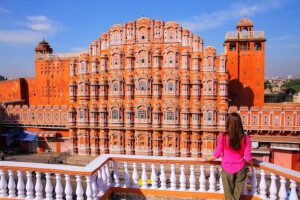
The ‘Pink City’ of Jaipur draws visitors with its salmon-hued buildings and royal heritage. This city ranks among North India’s most engaging destinations. Jaipur stands as the third corner of India’s famous ‘Golden Triangle’ tourist circuit, along with Delhi and Agra. The city’s bustling bazaars are some of Asia’s most colorful spots. They’re famous for textiles, jewelry, and traditional Rajasthani handicrafts.
Top attractions in Jaipur
The majestic Amber Fort stands as Jaipur’s crown jewel, just 11 kilometers from the city center. This UNESCO World Heritage Site combines Hindu and Mughal architectural styles through its red sandstone and marble construction. The stunning Sheesh Mahal (Mirror Palace) inside the fort engages visitors with its thousands of mirrors. A single candle can light up the entire room through these mirrors.
You can’t talk about North India’s tourist spots without mentioning the Hawa Mahal (Palace of Winds). This pink-painted, honeycombed building rises five stories high with 953 small windows. These windows let royal women watch street festivals without being seen. The building’s unique facade has become Jaipur’s defining landmark.
The old walled quarter houses the grand City Palace, which beautifully blends Mughal and Rajput architecture. The last ruling royal family still calls it home. Inside, you’ll find the Mubarak Mahal with its rich textile collection and the Maharani’s Palace that shows off an impressive array of Rajput weapons.
The fascinating Jantar Mantar Observatory, a UNESCO World Heritage Site, features sixteen geometric devices. Maharaja Sawai Jai Singh II designed these between 1728 and 1734. The world’s largest stone sundial sits here and can tell time within two seconds.
Jal Mahal (Water Palace) seems to float in Man Sagar Lake. Its light sand-colored walls create a beautiful contrast against the deep blue water. The white marble Birla Temple, dedicated to Lord Vishnu and Goddess Lakshmi, and Nahargarh Fort on the Aravalli hills offer stunning city views.
Why visit Jaipur
UK travelers will find an unmatched glimpse into Rajasthan’s royal past in Jaipur. The city’s architecture shows a rich blend of Hindu and Islamic influences that highlight the region’s artistic heritage.
Shoppers will love Jaipur’s markets. Bapu Bazaar and Johari Bazaar sell colorful clothes, traditional footwear, handicrafts, and beautiful jewelry—perfect items to take home. The bazaars in the old walled Pink City are among Asia’s most vibrant.
UK visitors should plan their trip between October and March for warm, dry, and sunny weather. December and January bring cool temperatures with misty mornings. The mercury rises to uncomfortable levels from June through September.
The city comes alive with festivals throughout the year. Holi in March and Diwali in late October or early November fill the streets with colors and lights. Book lovers might want to time their visit with the renowned Jaipur Literature Festival in late January.
Authentic India Travel helps UK travelers plan their North India journey with custom packages. They arrange stays in traditional heritage havelis to give visitors a true cultural experience.
Jodhpur
The striking azure buildings of Jodhpur sit at the edge of the Thar Desert, making it famous as the “Blue City.” Rajasthan’s second largest city is a must-see destination for UK travelers exploring North India. The bright blue houses create a stunning contrast with the golden desert sands. This makes it a dream location for photographers and one of North India’s most distinctive tourist spots.
Top attractions in Jodhpur
Mehrangarh Fort dominates the city landscape as one of India’s most impressive fortifications. Rao Jodha built this magnificent structure in 1459. The fort stands 125 meters above Jodhpur on a steep hill. Its massive battlements range from 6 to 36 meters in height. Inside the fort, you’ll find the exquisite Moti Mahal (Pearl Hall) where royalty held court, and the Phool Mahal (Flower Hall) built with gold from Ahmedabad. Movie buffs might recognize it as the filming location for cave scenes in “The Dark Knight Rises”.
The magnificent Umaid Bhawan Palace shows off a unique mix of Indo-Saracenic, Classical Revival, and Western Art Deco styles. Maharaja Umaid Singh built it in 1929. The palace stands as one of the world’s largest private homes and remains the only palace built in the 20th century. Today, it serves as both a luxury hotel and museum with an impressive vintage car collection.
The elegant white marble cenotaph Jaswant Thada, built in 1899, earned the nickname “Taj Mahal of Marwar”. This peaceful monument serves as the cremation ground for Marwar’s royal Rajput family.
The Ghanta Ghar (Clock Tower) stands at the heart of the bustling Sardar Market. UK visitors can find spices, traditional clothing, and local handicrafts here. Thrill-seekers can enjoy an exciting zipline ride across fortress walls and desert lakes.
Why visit Jodhpur
The old city’s winding alleyways offer a mixture of colors, smells, and sounds that showcase authentic Rajasthani culture.
Photography enthusiasts will love the blue-painted houses of Brahmpuri behind Mehrangarh Fort. The fort walls look their best at sunrise and sunset as sunlight makes their colors glow.
The local food scene is a great reason to visit Jodhpur. The must-try local specialties include:
- Laal maas – a fiery mutton dish flavored with garlic and red chilies
- Makhaniya lassi – a thick creamy buttermilk concoction
- Pyaaz kachori – crispy fritters with spiced onion filling
Winter months are perfect for UK visitors to explore North Indian tourist spots like Jodhpur. The city is less dusty and temperatures are pleasant during this time. Authentic India Travel creates custom packages that include guided heritage walks through the blue lanes and visits to local markets. These experiences help visitors truly understand this royal city’s charm.
Udaipur
Udaipur, known as the “City of Lakes,” captivates visitors with its romantic charm and beautiful lakeside setting. This gem of North India sits in Rajasthan, nestled among the green Aravali Range. The city spreads across seven lakes, creating an oasis that sets it apart from other desert destinations.
Top attractions in Udaipur
The majestic City Palace rules Udaipur’s skyline. Its massive 244-meter-long and 30-meter-high façade towers over Lake Pichola. My visit to Rajasthan’s largest palace revealed rooms filled with mirrors, tiles, and paintings in the City Palace Museum. The Durbar Hall (royal reception hall) left me amazed with India’s largest chandeliers.
Maharana Udai Singh II expanded Lake Pichola, which mirrors the gray-blue mountains on its surface. You’ll want to take a sunset boat cruise to see the city’s stunning architecture – it’s a must-do for UK travelers in North India. The lake’s Lake Palace (Jagniwas Island) features an opulent palace from 1754 that covers the entire island.
The Monsoon Palace looks like something from a fairy tale as it sits on a distant hilltop. This spot gives you amazing views of Udaipur and its lakes. Built as a royal monsoon getaway in the 19th century, people now flock here to watch the sunset.
The city’s other gems include:
- Jagdish Temple – a beautiful Hindu temple that’s been active since 1651
- Saheliyon-ki-Bari – a charming garden built in 1710 for royal ladies
- Bagore Ki Haveli – an elegant 18th-century haveli where you can watch folk dance shows in the evening
Why visit Udaipur
Udaipur’s extraordinary setting makes it a must-see stop in North India. UK visitors love this “Venice of the East” because it offers such a different experience from India’s busy cities.
The old town’s whitewashed walls showcase the city’s artistic heritage through traditional paintings. Art lovers can pick up authentic Rajasthani paintings as souvenirs or take classes to learn these techniques themselves.
UK travelers will find Udaipur a perfect place to catch their breath. The peaceful vibe here helps you recharge after experiencing India’s larger, more hectic cities.
The best time to visit runs from October through March, with comfortable temperatures around 23°C. Authentic India Travel suggests booking your custom package during these months to make the most of your stay.
The city’s markets burst with textiles, jewelry, and Rajasthani handicrafts. These colorful treasures come at surprisingly good prices, giving you perfect mementos from one of North India’s most beautiful destinations.
Jaisalmer
The golden city of Jaisalmer emerges from the rolling sands of the Thar Desert like a mirage. This desert fortress city creates an unforgettable silhouette against the bright blue sky. UK travelers can find this gem in Rajasthan’s westernmost corner, where they’ll get a real taste of India’s medieval past.
Top attractions in Jaisalmer
The mighty Jaisalmer Fort (Sonar Qila) towers over the city. It’s one of the world’s rare “living forts” where about 3,000 people still make their home behind its massive walls. Rawal Jaisal Singh built this UNESCO World Heritage Site in 1156, and it stands protected by 99 fortified bastions. The Fort Palace Museum showcases royal treasures, including weapons, traditional clothing, and an impressive collection of Rajasthani turbans.
The Jain Temples from the 12th to 15th centuries are just as breathtaking. You’ll find stunning filigree work and remarkable ceiling sculptures in the 900-year-old Rishabhdev Temple and the Parshvanath Temple.
The city’s wealthy merchants left behind some incredible mansions. The Patwon-ki-Haveli complex has five magnificent houses built by five Jain brothers in the 19th century. The Salim Singh-ki-Haveli shows off its peacock-shaped carved brackets on an arched roof, while Nathmal-ki-Haveli blends Rajput and Mughal architectural styles beautifully.
The Sam Sand Dunes are a must-see spot about 40km from the city. These towering dunes let you:
- Ride camels through the vast desert landscape
- Camp overnight and enjoy traditional meals
- Watch folk music and dance under a starlit sky
The Bada Bagh holds a beautiful collection of royal cenotaphs from the 16th to 20th centuries. Photographers will love catching these monuments at sunset.
Why visit Jaisalmer
This magical city started as a key Silk Road trading post in the Middle Ages. It still keeps its fairy-tale charm that sets it apart from other North Indian destinations. The golden walls look their best at sunset when they glow in the evening light.
The desert cuisine here is something special. Local dishes like ker sangri (desert beans and capers), gatte ki sabzi (chickpea dumplings), and laal maas (fiery mutton) show how people learned to cook with desert ingredients.
The yearly Jaisalmer Desert Festival brings the region’s heritage to life in late January or early February. You can watch folk performances, camel parades, turban-tying contests, and exciting camel races.
UK travelers should plan their trip between October and March when the weather stays nice, though nights can get cold. Authentic India Travel can set up custom trips with heritage walks through the fort, desert camping, and visits to Kuldhara. This mysterious abandoned village comes with its own legend – they say an entire community disappeared overnight, leaving a curse behind.
Ranthambore
Ranthambore sits at the meeting point of the ancient Aravalli and Vindhya mountain ranges. This spectacular destination ranks among North India’s finest places to visit. The wilderness area lies just 14 km from Sawai Madhopur in Rajasthan and gives UK travelers a great chance to spot magnificent Bengal tigers in their natural habitat. The dry-deciduous forest system stands out for its tiger-sighting possibilities and creates a captivating mix of natural beauty and historical significance.
Top attractions in Ranthambore
The stunning Ranthambore National Park draws visitors with its 392 sq km of thick forest and beautiful waterfalls. The 10th-century Ranthambore Fort has made it to UNESCO’s World Heritage list and dominates the area. The fort houses the remarkable Trinetra Ganesh Temple, which stands as the world’s only temple showing Lord Ganesha with three eyes.
Padam Talao, the park’s largest lake, creates a peaceful setting where you might spot crocodiles and various deer species. Rajbagh Talao catches the eye with ancient ruins along its shores, while Malik Talao brings in countless bird species.
The Regional Museum of Natural History adds to these attractions by showcasing wildlife exhibits and Rajasthan’s natural resources. It serves as a perfect educational stop before heading over to the park.
Why visit Ranthambore
The park gives visitors an exceptional chance to see tigers in their natural habitat. Beyond the royal Bengal tiger, you might encounter sloth bears, leopards, caracals, jackals, foxes, hyenas, and mongooses. UK travelers who love birds will find over 300 species here, including flamingos, gray hornbills, flycatchers, and nightjars.
The best time to experience these North Indian treasures falls between October and April. The weather makes wildlife safaris really enjoyable during these months. Your chances of spotting tigers near water sources peak from March to June, though temperatures can get quite high.
Visitors can choose between jeep and canter vehicles to explore the park’s different zones while looking for wildlife. Authentic India Travel suggests booking safaris early for UK visitors who want to experience this extraordinary North Indian adventure.
Ranthambore’s blend of wildlife, history, and natural beauty makes it one of the most compelling destinations for nature lovers in North India.
Bharatpur
Bharatpur stands out as one of the best places to visit in North India, thanks to its amazing bird sanctuary. This hidden gem in Rajasthan, just 55 kilometers from Agra, gives UK travelers a perfect mix of nature and history. My visits showed that this peaceful spot offers a nice break from India’s busy cities.
Top attractions in Bharatpur
Keoladeo Ghana National Park (Bharatpur Bird Sanctuary) shines as Bharatpur’s greatest treasure. This UNESCO World Heritage Site is home to 366 bird species, making it a dream for birdwatchers. The sanctuary also houses 30 types of mammals including golden jackals, nilgais, and jungle cats. Between October and March, migrating birds turn this place into a colorful haven—perfect timing for UK visitors looking to explore North India.
The mighty Lohagarh Fort (Iron Fort) is one of Rajasthan’s toughest structures. Maharaja Suraj Mal built this stark fortress in the early 18th century. Today, it houses several attractions including the Government Museum with its rich collection of stone sculptures, inscriptions, and ancient weapons.
Bharatpur Palace and Museum blends Mughal and Rajput architectural styles beautifully. The palace’s Kamra Khas museum shows off more than 581 stone sculptures and 861 local art pieces. Close by, you’ll find the beautiful Ganga Mandir with its white marble statue of Ganga Maharaj and an impressive 4-foot statue of King Bhagiratha.
Religious travelers will love the Laxman Temple with its detailed pink stonework and the peaceful Bankey Bihari Temple inside Lohagarh Fort.
Why visit Bharatpur
Bharatpur’s biggest draw is its amazing birdwatching. UK visitors who want to see North India’s natural beauty can take guided tours by bicycle, rickshaw or boat to get close to the wildlife.
The city’s history runs deep, and its monuments tell fascinating stories about Rajasthan’s past. You can see Hindu and Islamic influences mixed together in the temples and palaces throughout the city.
The peace and quiet here, compared to other popular North Indian spots, makes it great for photographers. Early morning visits give you the best chance to capture birds in their natural setting.
Authentic India Travel can create custom packages for UK visitors to see Bharatpur along with nearby sights—either as a day trip from Agra or as part of the Delhi-Agra-Jaipur Golden Triangle circuit.
Orchha
The medieval town of Orchha sits quietly along the Betwa River’s banks. This 16th-century gem ranks among North India’s finest destinations. Bundela Rajput Chief Rudra Pratap Singh founded this town, and its name means “hidden place” – a perfect description of its architectural beauty and rich heritage. UK travelers will find a remarkable chance to step back in time as they discover North India’s tourist attractions.
Top attractions in Orchha
The grand Orchha Fort Complex stands tall with three stunning palaces—Raja Mahal, Jahangir Mahal, and Sheesh Mahal. Raja Bir Singh Deo built the magnificent Jahangir Mahal in the 17th century to welcome Emperor Jahangir. The palace beautifully combines Mughal and Rajput architectural styles. Its three stories contain more than 100 rooms adorned with intricate window carvings and sandstone pillars.
The majestic Chaturbhuj Temple reaches skyward with its 344-foot sanctum. Next to it stands the remarkable Ram Raja Temple—unique because it’s India’s only temple where people worship Lord Ram as both deity and king. The temple has an interesting story – it was the queen’s palace until Lord Ram refused to leave once placed there.
Beautiful Cenotaphs (Chhatris) stretch along the Betwa riverbank. These monuments honor Orchha’s rulers from the 17th and 18th centuries. Visitors can catch breathtaking sunset views from these royal memorials.
Why visit Orchha
UK visitors will find Orchha frozen in medieval times, barely changed since its creation. Photographers love this untouched destination with its authentic heritage sites.
The town’s compact size – less than 5km across – makes it perfect to explore on foot in one day. Authentic India Travel can customize your package needs. Nature lovers can try river rafting on the Betwa or visit the Orchha Wildlife Sanctuary with its diverse bird population.
The best time to visit these North Indian attractions is between October and April. The weather stays pleasant and the natural surroundings look their best during these months.
Mandawa
Mandawa, a small town in the Shekhawati region, has earned its nickname as the “Open Art Gallery of Rajasthan” and stands as a rich source among North India’s must-visit destinations. This artistic haven sits 170 km from Jaipur, where extraordinary frescoed havelis from the 18th century create an unmatched artistic landscape.
Top attractions in Mandawa
Thakur Nawal Singh’s majestic Mandawa Fort, constructed in 1735, now serves as a luxury hotel with 85 rooms. The fort’s stunning mirror work reminds visitors of Jaipur’s Sheesh Mahal. Murmuria Haveli captures attention with its Victorian influences and Lord Krishna frescoes. The town’s artistic heritage shines through Hanuman Prasad Goenka Haveli, Gulab Rai Ladia Haveli, and the magnificent Goenka Double Haveli, each adorned with detailed paintings that narrate tales from past eras.
The distinctive Harlalka Well showcases the town’s historical approach to water management.
Why visit Mandawa
Mandawa’s legacy as a former Silk Route trading center makes it a compelling destination for history buffs in North India. Visitors can explore the entire town on foot, making it perfect for UK travelers who want to experience this open-air museum of magnificent art and architecture. Authentic India Travel can arrange guided walking tours through vibrant bazaars from September to April, the best time to discover these remarkable North Indian attractions.
Comparison Table
| Destination | Notable Landmarks | Best Time to Visit | Cultural/Historical Significance | Unique Features | UNESCO Sites |
| Delhi | Red Fort, Qutub Minar, Humayun’s Tomb, Jama Masjid | October – March | A historic city with 5000 years of continuous settlement | Chandni Chowk stands as the world’s largest wholesale market | Red Fort, Humayun’s Tomb, Qutub Minar |
| Jaipur | Amber Fort, Hawa Mahal, City Palace, Jantar Mantar | October – March | Rajasthan’s capital and a key part of the Golden Triangle | Jantar Mantar features the world’s largest stone sundial | Amber Fort, Jantar Mantar |
| Jodhpur | Mehrangarh Fort, Umaid Bhawan Palace, Jaswant Thada | Winter months | Rajasthan’s second largest city | The city earned its “Blue City” nickname from its azure-painted houses | Not mentioned |
| Udaipur | City Palace, Lake Palace, Monsoon Palace | October – March | Locals call it the “Venice of the East” | The city spreads across seven lakes | Not mentioned |
| Jaisalmer | Jaisalmer Fort, Patwon-ki-Haveli, Sam Sand Dunes | October – March | A bustling Silk Road trading hub | The fort houses 3,000 residents, making it one of the few “living forts” worldwide | Jaisalmer Fort |
| Ranthambore | Ranthambore Fort, Trinetra Ganesh Temple, Padam Talao | October – April | Royalty once used this land as their hunting ground | Bengal tigers roam here alongside 300+ bird species | Ranthambore Fort |
| Bharatpur | Keoladeo Ghana National Park, Lohagarh Fort, Bharatpur Palace | October – March | This sanctuary shelters 366 bird species | The city’s fortress earned the name “Iron Fort” | Keoladeo Ghana National Park |
| Orchha | Orchha Fort Complex, Chaturbhuj Temple, Ram Raja Temple | October – April | This medieval town dates back to the 16th century | Lord Ram receives worship here both as a god and king | Not mentioned |
| Mandawa | Mandawa Fort, Murmuria Haveli, Goenka Double Haveli | September – April | This town served as a Silk Route trading hub | Rajasthan’s art enthusiasts know it as the “Open Art Gallery” | Not mentioned |
Conclusion
North India shows off a stunning mix of experiences that UK travelers will love – from rich culture and grand architecture to natural beauty. My visits to the ten best spots in North India led me to amazing forts, palaces, bustling markets, and beautiful landscapes that made this trip unforgettable.
These destinations each tell their own unique story. Delhi stands proud with its 5000-year heritage, while Jaipur charms visitors with its pink-colored architectural wonders. Jodhpur’s blue cityscape takes your breath away, and Udaipur’s lakes create the perfect romantic setting. The golden fortress of Jaisalmer rises majestically from the desert sands. Nature lovers will feel right at home in Ranthambore’s tiger territory and Bharatpur’s bird sanctuary. History enthusiasts can explore medieval treasures in Orchha and artistic havelis in Mandawa.
UK visitors should plan their trips between October and March. The weather stays warm, dry, and sunny in most places during these months. You might need light layers for evening desert temperatures that can get chilly.
Authentic India Travel can customize your North Indian adventure based on what interests you most. They help you photograph Udaipur’s lakes at sunset, track tigers in Ranthambore, or wander through Jaisalmer’s living fort. Their local knowledge will give UK travelers culturally rich experiences while making it easy to explore North India’s best spots comfortably.
North India welcomes UK visitors with its vibrant colors, flavors, and age-old traditions. My time exploring these ten remarkable places showed me India’s incredible diversity. These destinations have something special for everyone – whether you’re seeking spiritual enlightenment, love architecture, enjoy wildlife photography, or want to explore different cultures. North India’s magic will fascinate you and create memories that last forever.
FAQs
Q1. What are the top destinations to visit in North India?
Some of the best places to visit in North India include Delhi, Jaipur, Udaipur, Jaisalmer, and Ranthambore. Each offers unique experiences, from historical monuments and palaces to wildlife sanctuaries and desert landscapes.
Q2. When is the best time to explore North India?
The optimal time to visit North India is generally between October and March. During these months, the weather is pleasant with warm, dry days and cool evenings, making it ideal for sightseeing and outdoor activities.
Q3. What makes Udaipur a must-visit destination in North India?
Udaipur, known as the “City of Lakes,” is renowned for its romantic atmosphere, stunning lakeside setting, and magnificent City Palace. Its picturesque lakes, intricate architecture, and rich cultural heritage make it a captivating destination for travelers.
Q4. Why is Ranthambore National Park popular among visitors to North India?
Ranthambore National Park is famous for its Bengal tiger population and diverse wildlife. It offers excellent opportunities for tiger spotting, bird watching, and experiencing the natural beauty of Rajasthan, making it a prime destination for nature and wildlife enthusiasts.
Q5. What unique experiences does Jaisalmer offer to travelers?
Jaisalmer, the “Golden City,” is known for its stunning sand-colored architecture, including the Jaisalmer Fort – one of the world’s few “living forts.” Visitors can explore intricate havelis, experience desert safaris in the Thar Desert, and enjoy the city’s rich cultural heritage.